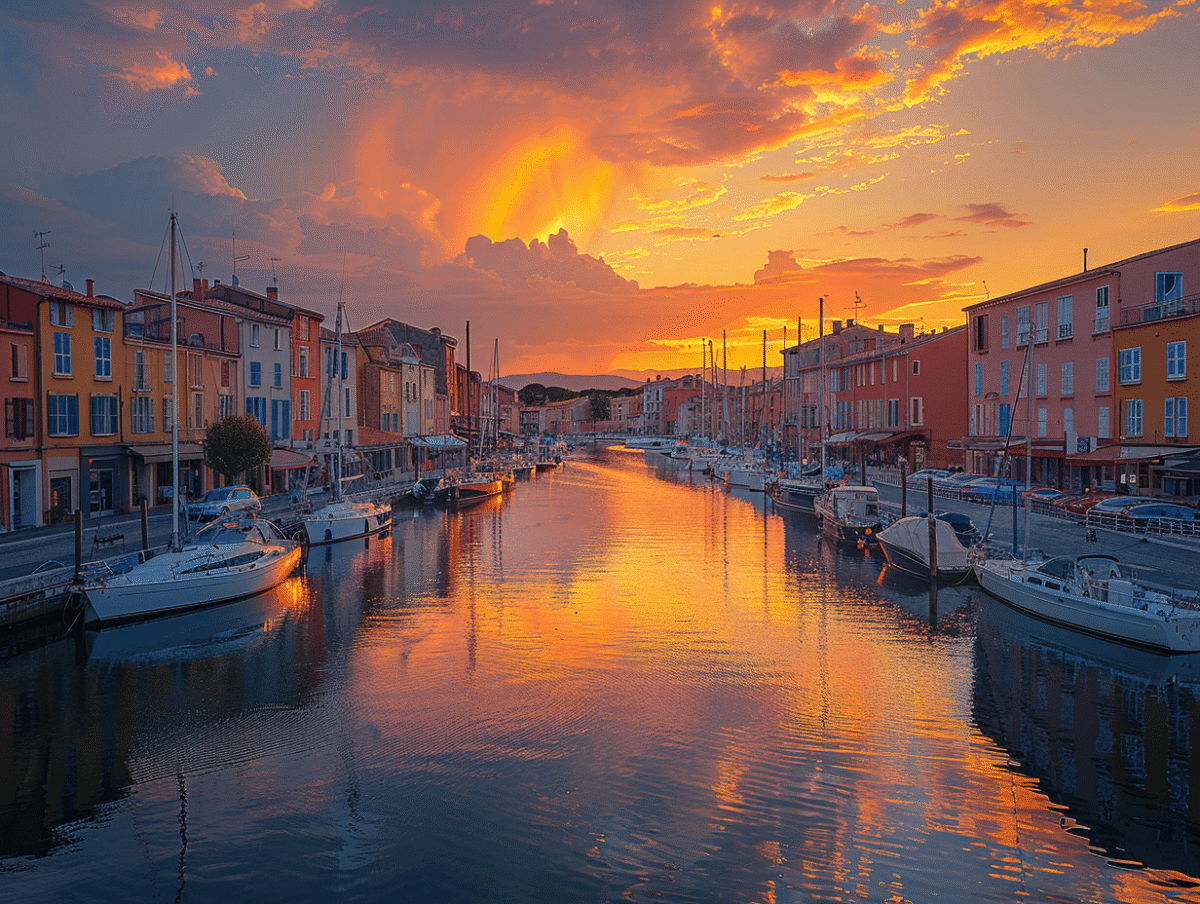
Marseille, with its 300 days of sunshine per year and its idyllic beaches, attracts many new residents seeking a pleasant quality of life. The Phocaean city offers a dynamic living environment with a rich Mediterranean culture, colorful markets, and delicious cuisine. However, the city is not without its challenges. Traffic issues, marked social inequalities, and some less secure neighborhoods can dampen the enthusiasm of some. Moving to Marseille requires careful consideration to weigh the advantages and disadvantages of this rapidly changing metropolis.
The Positive Aspects of Living in Marseille
Marseille, with its 60 km of coastline and 21 beaches, provides an exceptional living environment for nature and relaxation enthusiasts. The Calanques National Park, a true natural gem, allows residents to enjoy hiking, swimming, and climbing in a preserved environment.
The Old Port, the historical heart of the city, is an iconic place where history and modernity blend. With its café terraces, fish markets, and stunning views, it is an essential meeting spot. The development of the Euroméditerranée project has also revitalized the area, attracting new businesses and creating jobs.
- 70 public gardens and 700 hectares of green spaces allow residents to recharge and engage in outdoor activities.
- The city boasts 30 museums, including the MUCEM and the Villa Méditerranée, enriching the cultural and artistic offerings.
- Marseille is home to nearly 95,000 students, including 75,000 at Aix-Marseille University, fostering a young and dynamic atmosphere.
Major sporting events, such as the 2023 Rugby World Cup and the Paris 2024 Olympics, will enhance Marseille’s reputation on the international stage. The city also hosts Olympique de Marseille, a historic football club that brings residents together around shared passions.
Be sure to note that some neighborhoods in Marseille to avoid, due to their insecurity or precarious living conditions, may temper these positive aspects.
The Negative Aspects of Living in Marseille
Marseille, despite its undeniable advantages, also presents some challenges for its residents. Insecurity, in particular, remains a major concern. The northern neighborhoods, such as the 13th, 14th, 15th, and 16th arrondissements, are often associated with higher crime rates, which can deter some from moving there.
Air quality in Marseille ranks among the poorest in France. According to a study by AtmoSud, the city regularly experiences pollution spikes, mainly due to heavy road traffic and port activities. This situation affects the health of the most vulnerable populations, including children and the elderly.
The real estate market, while dynamic, also has drawbacks. Property prices in the city center and sought-after neighborhoods, such as the 7th arrondissement or the Joliette area, have risen sharply in recent years. This makes homeownership difficult for modest households. On the other hand, rental investment opportunities can be lucrative, with good cash flow for properties located in developing areas.
Public infrastructure sometimes shows signs of aging. Public transport, although varied, suffers from occasionally chaotic management, with frequent delays and overcrowded lines. The maintenance of schools and health facilities in certain sectors leaves much to be desired, reinforcing disparities between neighborhoods.
Consider these aspects when contemplating a move to Marseille.