
A stop on the AP-7 does not guarantee finding a clean space, functional facilities, or open dining options outside peak hours. Some rest areas boast high-end services, while others are limited to minimalist restrooms and a reduced food offering. Quality and comfort disparities persist from one region to another, despite national regulations.
Local initiatives are attempting to raise standards, with the installation of electric vehicle charging stations or areas dedicated to families. However, access to information about these facilities remains uneven depending on the roadways.
What you need to know about highways and rest areas in Spain
The Spanish highway network is divided into two main categories: toll highways and freeways. This distinction heavily influences the driving experience: services offered, stopping opportunities, traffic density—all vary depending on the type of route and journey, whether heading towards Andalusia or crossing the country from north to south. Traffic signs are generally clear and effective but require constant attention: between speed limits, lane changes, and announcements of rest or service areas, every indication can impact driving. Rest areas on highways in Spain dot the major routes, but their frequency varies significantly by region or type of road. Some are content with a parking lot, restrooms, and a vending machine, while others feature RV spaces, restaurants, children’s play areas, or even electric charging stations. This heterogeneous network meets the needs of travelers and fluctuates according to the season or traffic: between Costa Brava and Madrid-Granada, the offerings are not the same.
Before hitting the road, a few reflexes are essential. Plan to pay tolls by credit card, anticipate the closing hours of certain services, and target the most comprehensive rest areas for a real break. Navigating the Spanish highway network requires organization and vigilance: the quality of stops shapes the journey and safety, especially over long distances.
What are the must-visit rest areas for a pleasant break?
On Spanish highways, some rest areas stand out for their diverse services and attention to travelers. Between the Basque Country and Andalusia, a few stops clearly stand out: true breathing spaces, with shaded areas, picnic tables, well-maintained restrooms, parking suitable for RVs, and sometimes even playgrounds for the youngest. The dining options range from quick snacks to traditional meals, a variety that enhances the stop along the way.
Service areas, often located at strategic junctions or near cities like Granada or along the Costa Brava route, offer appreciated amenities. Electric charging, easy access for larger vehicles, clear signage: every detail matters to ensure an efficient stop, especially during peak traffic. RV travelers benefit from dedicated spaces to take a real break, refuel, and rest.
Here are the advantages found at the best rest areas in Spain:
- Spacious and safe parking, ideal for families or RVs.
- A varied dining offering, from quick snacks to sit-down restaurants.
- Accessible fuel and charging services by credit card, helping to avoid surprises.
- Green spaces and relaxation facilities, welcome during long journeys.
On Spanish highways, each rest area has its own personality: whether a technical stop, a gourmet pause, or simply a moment to breathe, all contribute to making the journey smoother and more enjoyable.
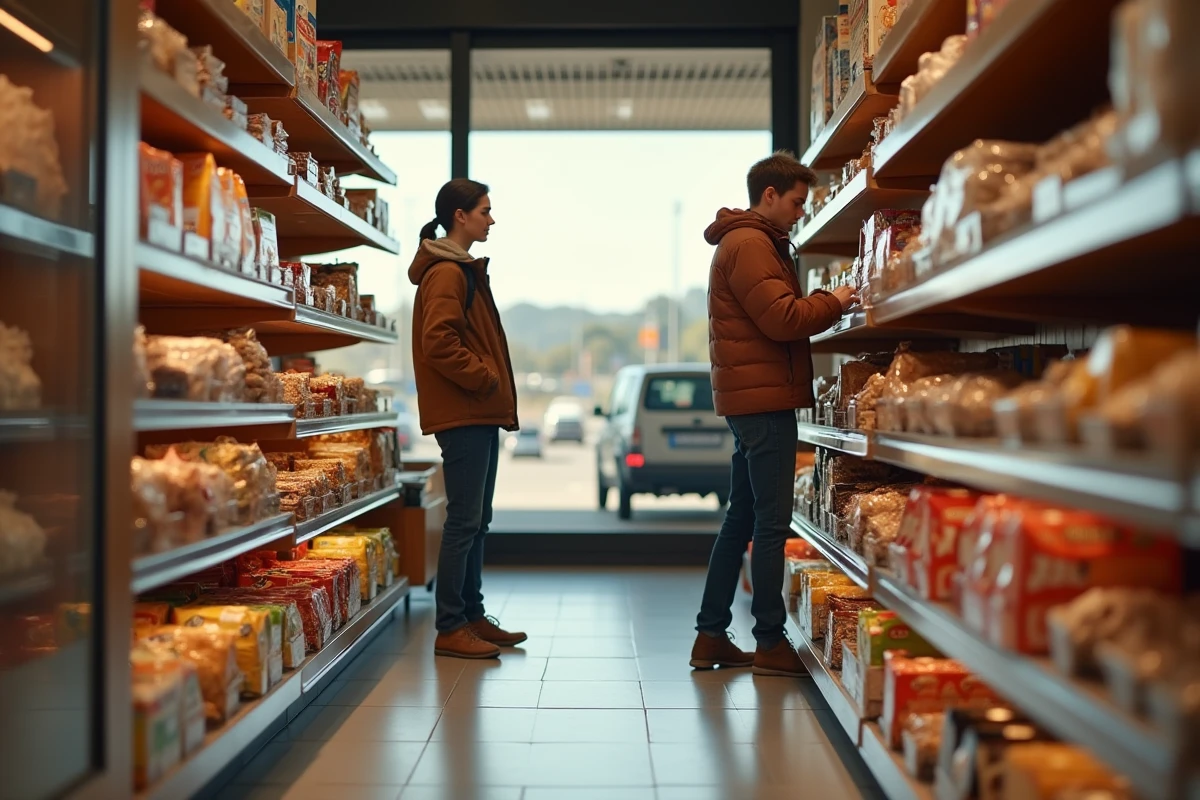
Plan your stops calmly: tips and tricks for a successful journey
To approach the Spanish highway network with peace of mind, a few practical rules are essential. Start by estimating the distance between each rest area: depending on the region, the interval varies from twenty to fifty kilometers, sometimes more on the less traveled routes in the Basque Country or near the French border. Organize your stops considering the route, but also specific needs: families, RVs, motorcyclists, each has their own pace.
Keep in mind the speed limits: 120 km/h, whether on toll highways or freeways. This allows you to adjust your driving time without rushing, ensuring heightened vigilance. The tolls, numerous on certain sections, can be easily paid by credit card. Remember to carry an ID and vehicle registration: checks are frequent, especially near borders.
To help you anticipate and avoid unpleasant surprises, keep these recommendations in mind:
- Look for signage indicating service areas: distance to the next stop, available services, long-term parking, spaces dedicated to RVs.
- Consider the availability of gas stations on secondary routes. Some stretches, especially in Andalusia or Castile, require special attention as stations are less frequent.
- Plan for two means of payment: credit card and cash, as not all areas or tolls systematically accept cards.
For long journeys, a stop every two hours remains the best option. Balancing driving time, ensuring the comfort and safety of passengers—that’s the key to a successful crossing of Spain. On Spanish asphalt, rest areas are not just points on a map, but valuable allies for arriving safely and with a light heart.