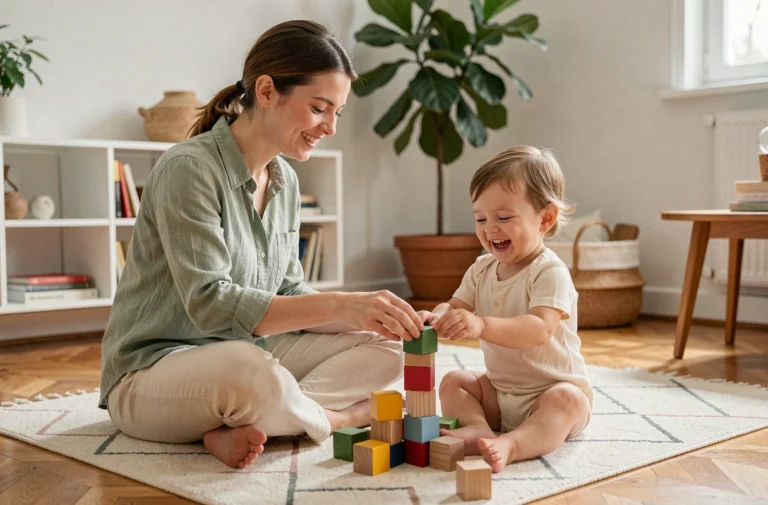
A rainy Sunday, a weekday evening after work, a week off with no specific plans: we all find ourselves facing free time without knowing what to do with it. The classic reflex is to scroll through a screen for two hours, then regret not having tried anything. Finding a leisure activity that suits your desires, budget, and living location changes the game, provided you go beyond generic lists.
Leisure activities accessible without nearby cultural equipment
When you live far from a cinema, concert hall, or media library, the choices seem limited. The 2025 Cultural Outings Barometer from the Ministry of Culture confirms that access to cultural leisure varies greatly depending on the place of residence, with clear disparities between large urban areas, small towns, and rural areas.
The good news is that several activities do not depend on any infrastructure. Drawing, watercolor, or writing only require a notebook and a bit of regularity. You can also take online courses (languages, music, programming) from anywhere in the territory, without expensive subscriptions.
For those with outdoor space, gardening remains a comprehensive hobby: it engages the body, structures the week around concrete tasks, and produces visible results. A vegetable garden of a few square meters is enough to grow herbs, tomatoes, and salads, even in semi-rural areas.
A catalog of ideas sorted by context (indoor, outdoor, solo, group) can be found on the leisure page of Séries Conseil, which also details activities suitable for families.
Sports activities outside the club: practice anywhere
Sport is often associated with a gym membership or a club license. However, a 2024 survey by the Paris Region Institute shows that sports practices are deployed in very varied locations: natural spaces, streets, parks, and freely accessible facilities. The proximity of the practice location plays a crucial role in regularity.
Specifically, three formats require little logistics:
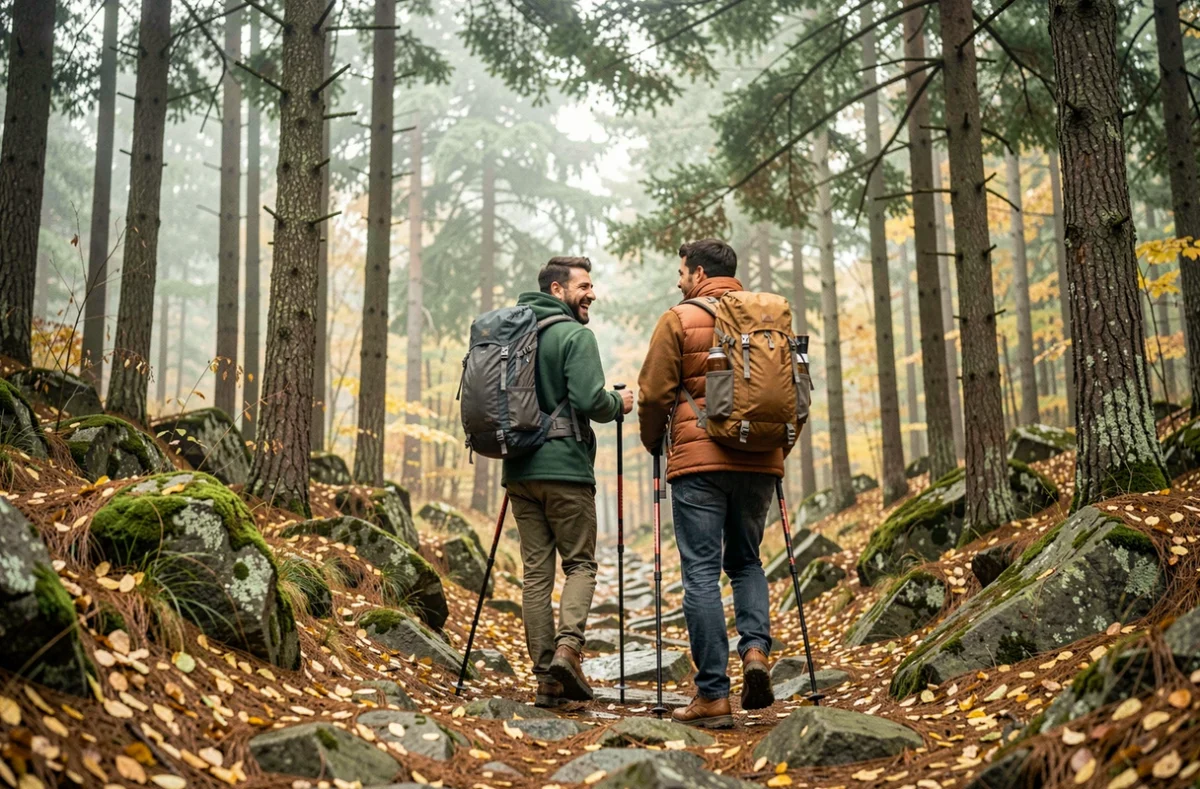
- Fast walking or hiking, which can be done right from your doorstep, with just a GPS on your phone to vary routes each week.
- Bodyweight strength training in a park or garden, guided by a free app that structures the sessions.
- Utility biking transformed into a leisure outing on weekends, using greenways or towpaths.
The goal is not to perform, but to move regularly without the constraints of schedule or travel. Thirty minutes three times a week, at a moderate pace, already yield noticeable benefits for sleep and mood.
Creative hobbies and cooking: learning something concrete
The common thread between painting, sewing, and cooking is that you finish each session with a tangible result. This concrete aspect explains their growing popularity, especially among people whose daily work is primarily digital.
Cooking remains the most accessible creative hobby: you already have the basic equipment and ingredients. Trying out an unknown recipe each week (baking, fermentation, cuisine from another region) transforms a food chore into a rewarding project.
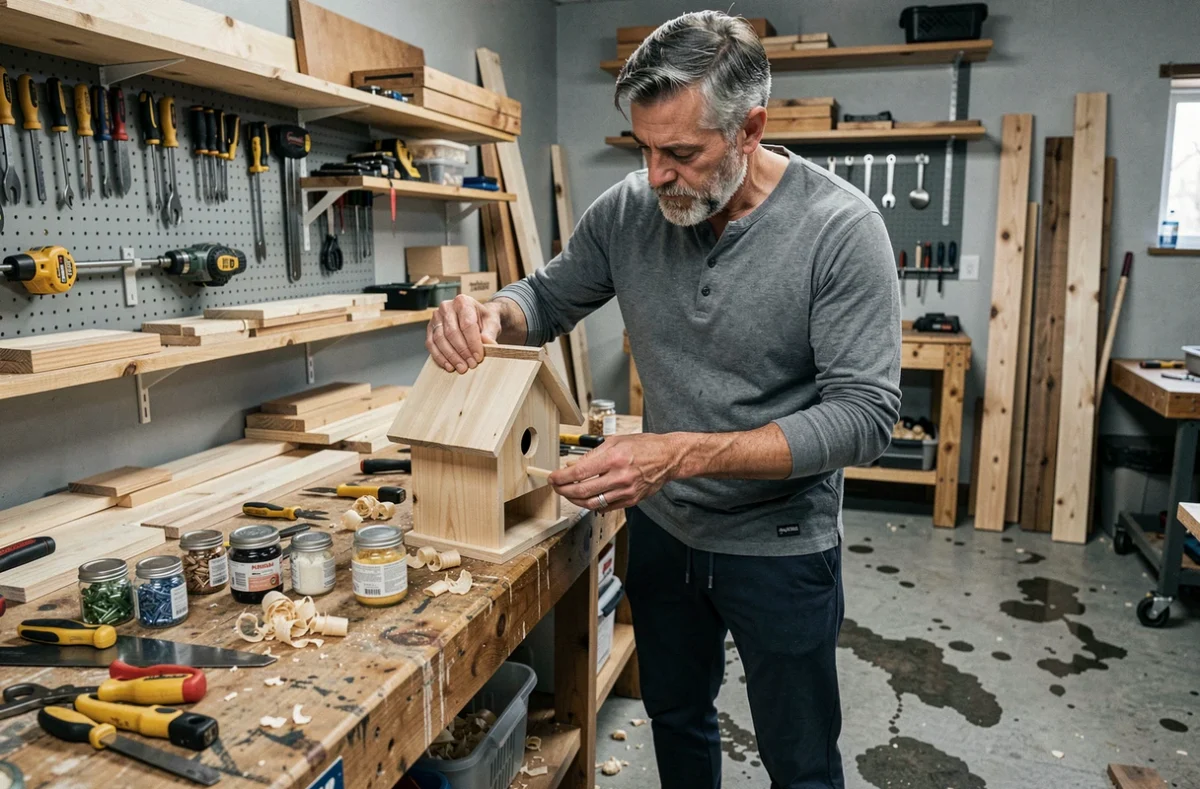
In the realm of visual arts, acrylic painting or urban sketching offers a quick progression curve for beginners. No innate talent is needed: structured video tutorials allow you to acquire technical basics in just a few weeks. Watercolor, for example, requires only a compact palette, a reservoir brush, and thick paper.
Reading also deserves special mention. Contrary to the image of the solitary reader, online and bookstore book clubs create a real social bond around books. You read at your own pace, then exchange with others, which renews motivation.
Occasional volunteering: a social hobby without heavy commitment
When looking for an activity that steps outside the home and gives meaning, associative volunteering checks several boxes. According to a synthesis published by Coéquipiers, associative engagement can take the form of occasional missions, without the obligation of regular availability over months.
Food distribution, clothing drives, Saturday morning homework help, riverbank cleanups: these actions last a few hours and require no specific skills. You meet people outside your usual circle, which naturally expands your social life.
The availability question varies depending on associations and territories: some urban structures offer very flexible slots, while small rural associations rely more on a core of regular volunteers. Checking the format before signing up avoids misunderstandings.
Cultural outings in 2025: concerts, museums, and alternatives
The Ministry of Culture’s 2025 Barometer notes a slight overall decline in cultural outings. Concerts remain at a level close to 2024, but visits to museums and exhibitions show a more marked decrease.
For those wishing to maintain an active cultural life, a few strategies work well:
- Favor local events (neighborhood festivals, open house days at artist studios, open mic nights in café-concerts) rather than large Parisian exhibitions that are often overcrowded.
- Alternate between paid and free outings: many municipal museums remain free to access, and media libraries regularly offer screenings, lectures, or workshops at no cost.
- Combine culture and physical activity, for example by visiting architectural heritage on foot or by bike, which transforms a simple visit into a complete outing.

Occupying your free time satisfactorily relies less on the quantity of activities attempted than on their suitability to your rhythm, living location, and current desires. One hobby practiced regularly brings more than a dozen ideas abandoned after two attempts. The simplest approach is to choose one activity this week, test it without pressure, and see if you naturally return to it the following week.