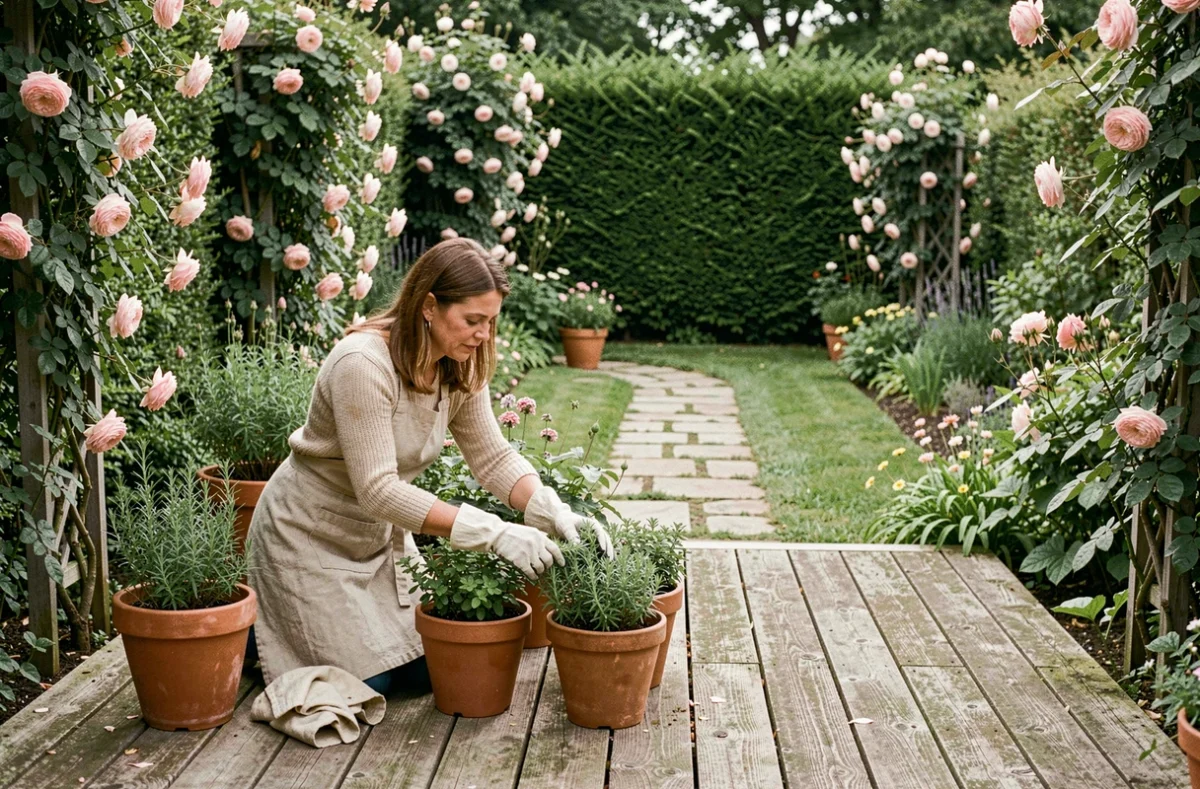
Designing a garden starts with deciding how soil, water and light will interact on a particular plot. Since 1 September 2024, the order of 12 July 2024 on water unfit for human consumption has clearly distinguished outdoor uses (watering the garden) from indoor uses, which are subject to stricter rules. This regulatory framework changes how outdoor spaces are designed: a garden is no longer just a backdrop, but a system for managing water, heat and maintenance.
Permeable soil and water management: the foundation of a resilient garden
Before choosing a style or plants, the soil determines everything else. A hard surface (concrete slab, compacted gravel) speeds up runoff and traps heat. A planted or de-sealed area slows the flow, stores some of the water and lowers the temperature nearby.
Nature-based solutions combine vegetation, shade and permeable soil. In practical terms, replacing a strip of concrete with a flower bed planted in topsoil or a shallow swale changes the way water moves through an entire garden. Rainwater soaks into the ground instead of flowing into the drainage system, and plant roots gradually redistribute it.
For more ideas on this approach, the resources on garden design on Escapades aux Jardins explore several options suited to different types of plots.
Rainwater harvesting completes the system. Using it to water the garden is the easiest option to set up, but keeping it separate from the drinking water network is essential. Temporary watering restrictions during drought vary from one department to another: check the current prefectural orders before investing in a tank to avoid unpleasant surprises.
Plants and shade: choose for the heat, not against it
A garden designed to cope with heatwaves looks different from a traditional garden. Natural shade takes the place of outdoor air conditioning: a deciduous tree planted to the southwest of a patio filters the sun in summer and lets the light through in winter.
Industry data reported by CECAM show that a large proportion of households bought plants in 2024, while in 2025 outdoor decor and garden leisure activities grew in popularity and sales of motorized tools declined. This trend points to a shift: homeowners are investing more in plants and outdoor living spaces than in heavy equipment.
Choosing between ground cover and a traditional lawn
An English lawn needs regular watering and frequent mowing. In areas with little foot traffic, ground covers such as creeping thyme, dichondra or dwarf clover are more drought-tolerant and require less maintenance. Lawns still have their place in play areas and spaces for active relaxation, where resistance to foot traffic matters.
A systematic review of the literature by researchers at Université Paris-Saclay (Muriel Deparis, Mathieu Lachaise, Quentin Dutertre and Emmanuelle Baudry) shows that garden features do not affect all species groups in the same way: some responses are positive, others negative or neutral. Planting a mixed hedge benefits some pollinators, but not necessarily nesting birds. This finding suggests that plant choices should be tailored to local conditions rather than based on a universal list.
Outdoor living areas: patio, dining area and relaxation space
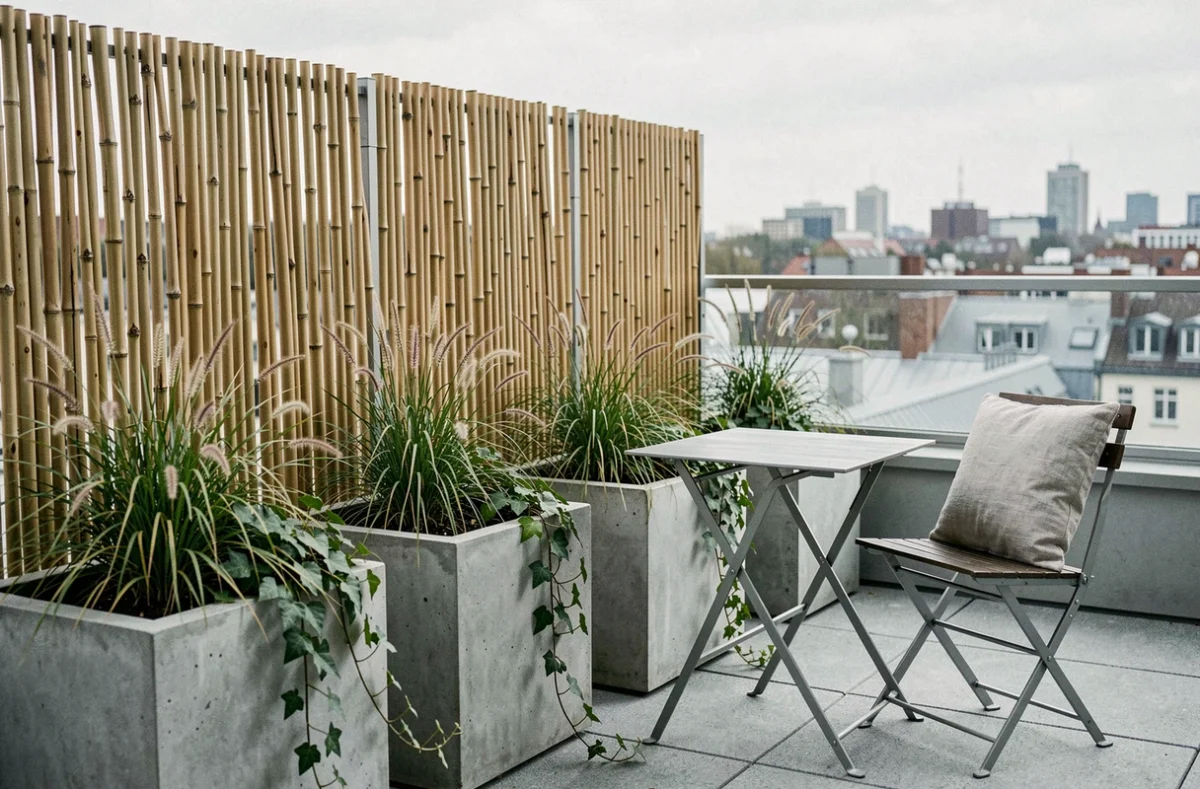
Dividing a garden into distinct zones gives every square metre a clear purpose. The same principle works on a narrow urban plot as well as on a large property.
- The patio next to the house provides a transition between indoors and outdoors. A light-coloured surface (natural stone, composite wood) limits heat build-up in summer.
- A dining area is best placed under a planted pergola or an adjustable shade sail, so it remains usable even during the hottest hours.
- A secluded relaxation area (hammock, low bench) works best beneath an existing tree or near a shrub bed that creates a sense of privacy.
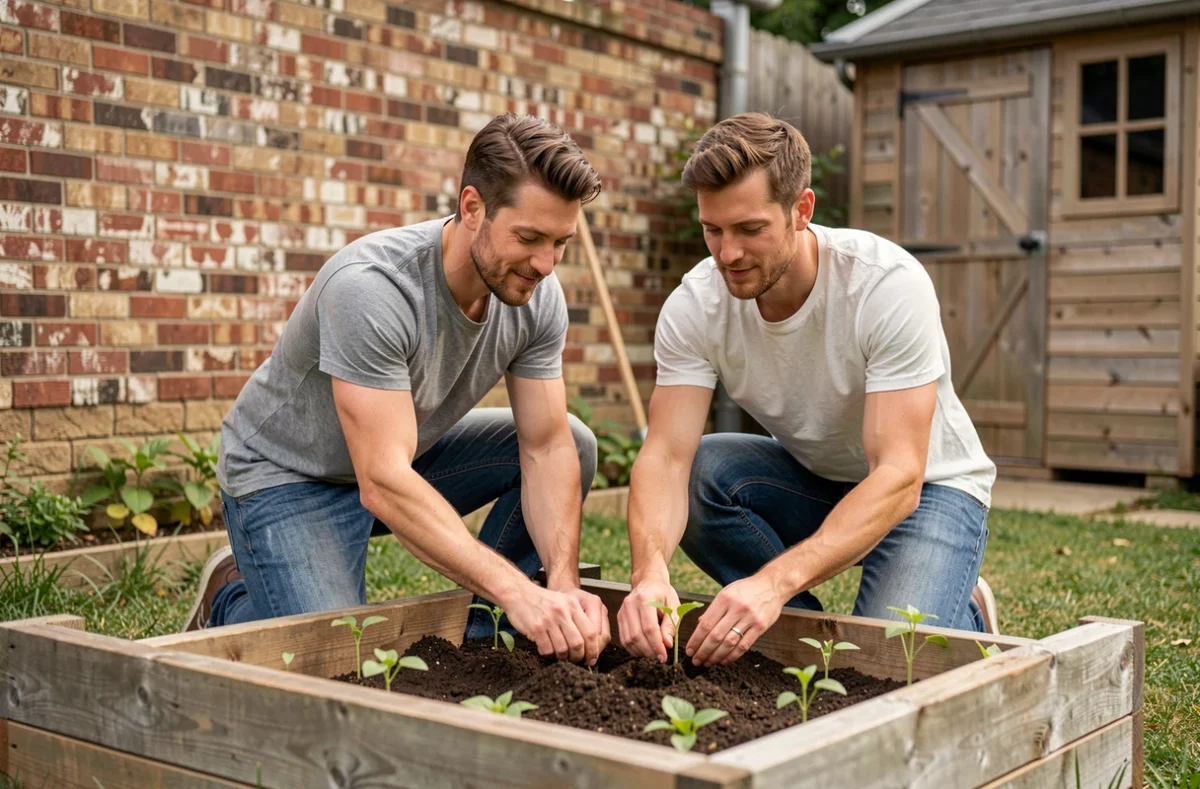
- A vegetable garden, even if it consists of just a few raised planters, is best placed where it gets more than six hours of sunlight a day, taking into account the shade cast by nearby structures.
Every zone should be able to function without intensive watering. A thick layer of mulch (wood chips, straw, miscanthus) on flower beds reduces evaporation and cuts down on weeding.
Budget and maintenance: spend less time without compromising the results
Designing a garden requires an initial investment, but ongoing maintenance costs have the greatest impact over time. A few practical choices can significantly reduce these costs.
- Installing a programmable drip irrigation system for flower beds and the vegetable garden uses less water than hand watering or sprinklers, and saves time every week.
- Choosing perennials suited to the local climate instead of annuals that need replanting each season reduces both shopping and planting work.
- Adding physical edging (Corten steel, sleepers) between planted areas and paths makes borders easier to maintain and prevents weeds from spreading.
The decline in purchases of motorized tools observed in 2025 suggests that gardens are increasingly being designed to require fewer machines. A low-maintenance garden is planned from the outset, not after planting.
Plan for water restrictions from the design stage
Droughts are recurring, and watering restrictions can be imposed in the middle of summer. A garden designed with suitable layers of vegetation (trees, shrubs, ground cover), generous mulching and a rainwater collection tank can withstand these periods without visible damage. Keeping the rainwater collection system separate from the drinking water network is mandatory, whatever the size of the installation.
A garden that makes it through a scorching summer without daily attention is not a neglected garden. It is a garden where the soil, plants and water management were chosen together from the start.